Everyone calls it the “whitening gold” of skincare. But let me ask you this. If it is so golden, why do half the serums using it turn brown on the retail shelf?
Brands pay top dollar for high-purity Glabridin extract. They hand it to their lab. The formulators dump it straight into a water phase. The result is a cloudy, unstable, useless mess. We manufacture this material directly at Shaanxi Huatai Bio-Fine Chemicals Co. We see these formulation disasters every single week. Pure active ingredients do not guarantee a successful product. You need to understand solubility, extraction methods, and batch stability.
Let us drop the marketing fairy tales and look at the actual chemistry.
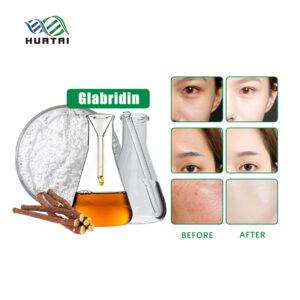
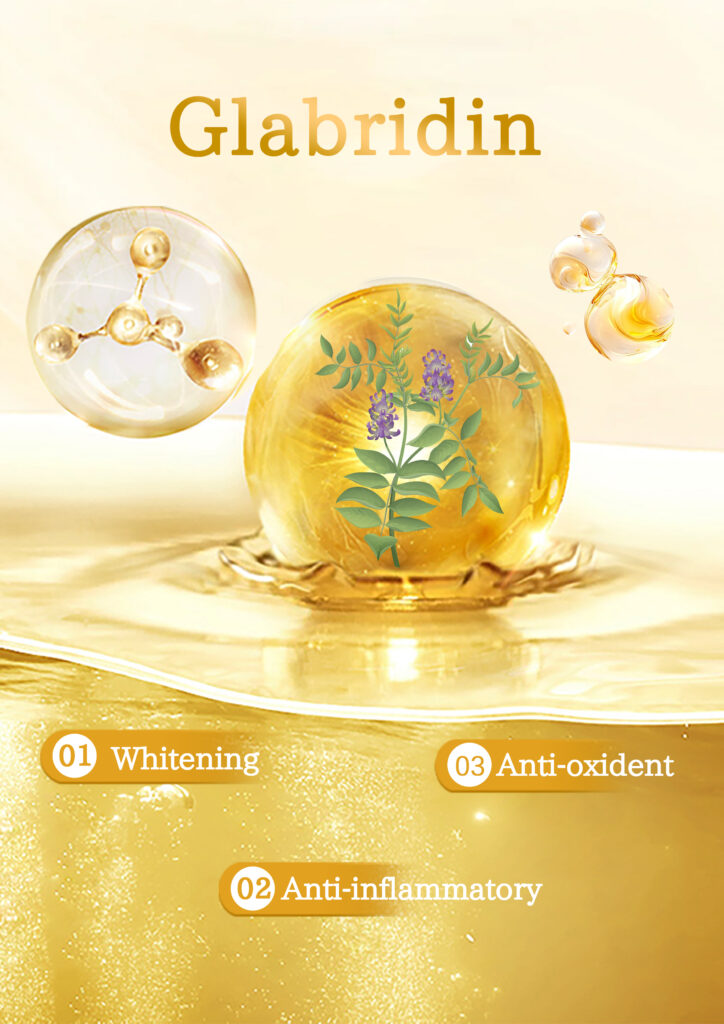
Stop trusting the “tyrosinase cascade” brochures. Let us translate that academic jargon. Glabridin acts like a physical bouncer at a nightclub. It stops your skin cells from manufacturing dark spots right at the source. It blocks the spot-making enzyme entirely. It does not chemically burn or peel the skin layer. It cuts off the supply chain.
How strong is it in a real lab setting? We tested our standard extract against common industry benchmarks. Look at the hard numbers.
| Active Ingredient | Power Score (IC50 value) | Lab Notes |
| Kojic Acid | 20.5 | The old industry baseline. |
| Ascorbic Acid | 50.0 | Highly unstable in water. |
| Glabridin Extract | 0.8 | Fast action, highly potent block. |
A lower score means massive power. You need a fraction of the dose to get the exact same result. But raw power is useless if you buy the wrong specification.
Procurement managers constantly chase the 98% purity grade. That is a massive rookie mistake. A 98% pure extract is a nightmare to dissolve. You will fight it in the mixing tank for hours. Buy the right tool for your specific formula.
| Specification | Physical Look | Best Product Match | Lab Difficulty |
| 40% Extract | Brown powder | Basic body lotions | Easy |
| 90% Extract | Off-white powder | Premium facial serums | Medium |
| 98% Extract | Pure white powder | Clinical applications | Hard |
Are you making a mid-tier body lotion? Buy the 40% grade. You save on raw material budgets. You avoid solubility headaches. Save the 90% grade for your high-margin hero SKUs.
Now let us talk about compliance. The EU is heavily regulating synthetic skin brighteners. Remember the recent bans on traditional chemical lighteners? Plant-based actives are no longer just a fun marketing angle. They are legal survival.
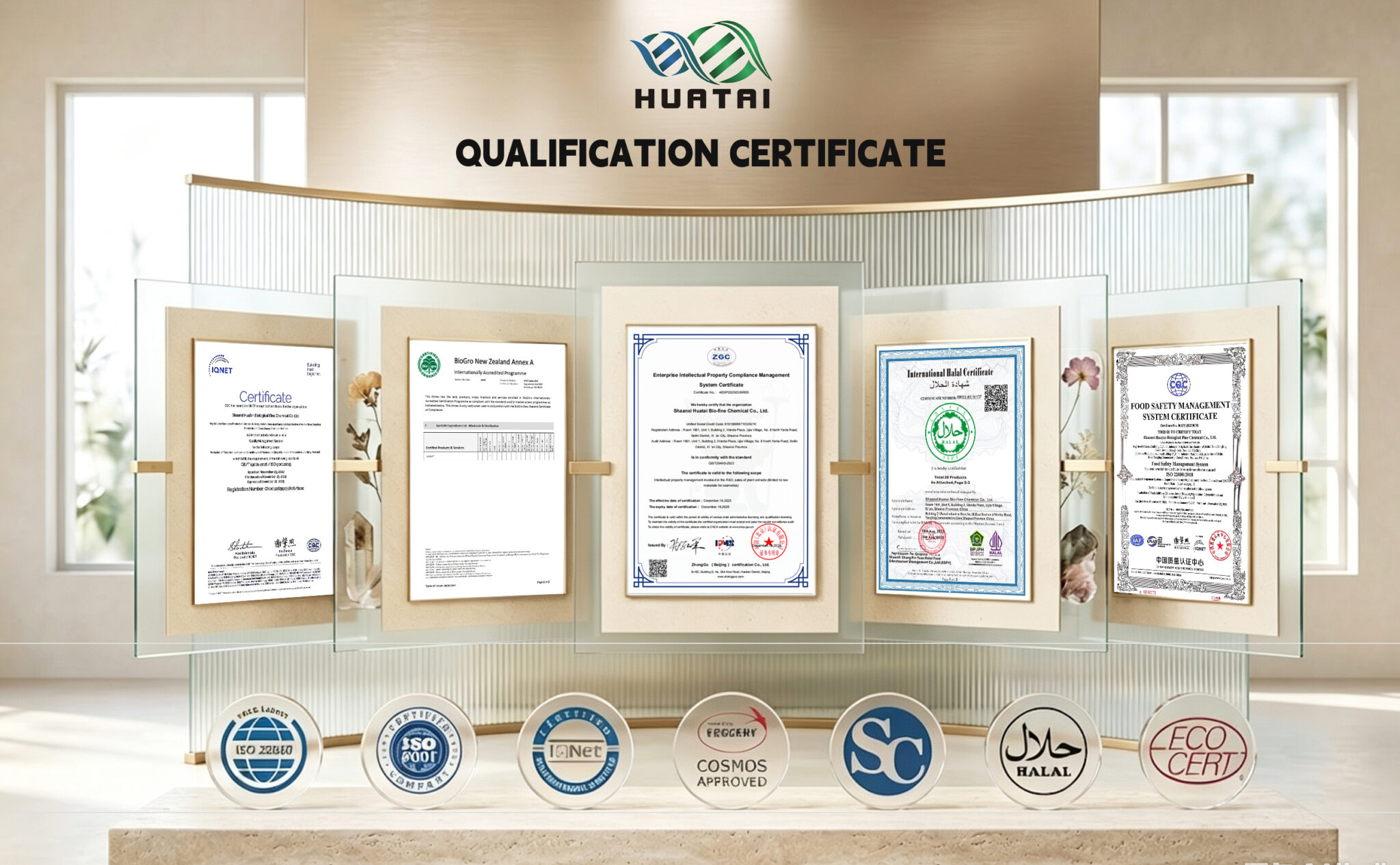
But a natural label means nothing if the raw material is dirty. Heavy metals and pesticide residues will instantly destroy your Product Information File (PIF). We test every single batch before it leaves our factory. You need a clean paper trail. Here is a real snapshot from our quality control lab.
| Test Item | Strict Limit | Our Batch Result | Test Method |
| Assay | >= 90.0% | 91.5% | HPLC |
| Water Content | <= 5.0% | 2.2% | Oven drying |
| Heavy Metals | <= 2.0 ppm | 0.3 ppm | AAS |
| Plate Count | <= 100 cfu | Passed clear | AOAC |
How do we get it so clean? The extraction method is everything. Cheap suppliers soak the licorice root in harsh industrial solvents. They boil it down. That leaves trace chemicals behind. Your final cosmetic ends up smelling like a chemical plant.
A major clinical brand brought us a failing formula last winter. Their premium brightening cream turned yellow after just two months on shelves. Customers were furious. Their previous supplier sold them a cheap, dirty 40% extract. The impurities in that cheap powder oxidized aggressively.
We audited their entire formula. We swapped them to our clean 90% off-white grade. We added a touch of Bisabolol to their lipid phase for extra stability. We baked the new samples in our stress-test ovens at 45 degrees Celsius for 12 weeks straight. The result? Zero color shift. The viscosity stayed perfect. We saved their flagship product from a massive retail recall.
Do not guess with your next formulation. Test the solubility yourself. Check the thermal stability in your own ovens. Reach out for a sample from our current production batch. Run it through your standard R&D protocols.
References Consulted:
- Simmler, C., et al. (2013). Phytochemistry and biological properties of glabridin. Fitoterapia, 90, 160-184.
- Yokota, T., et al. (1998). The inhibitory effect of glabridin from licorice extracts on melanogenesis. Pigment Cell Research, 11(6), 355-361.
- Draelos, Z. D. (2007). Skin lightening preparations and the hydroquinone controversy. Dermatologic Therapy, 20(5), 308-313.
- European Commission. (2022). Regulation on cosmetic products: safety of skin lightening agents. Official Journal of the European Union.
 English
 German
 Spanish
 French
 Japanese
 Korean