



Astaxanthin
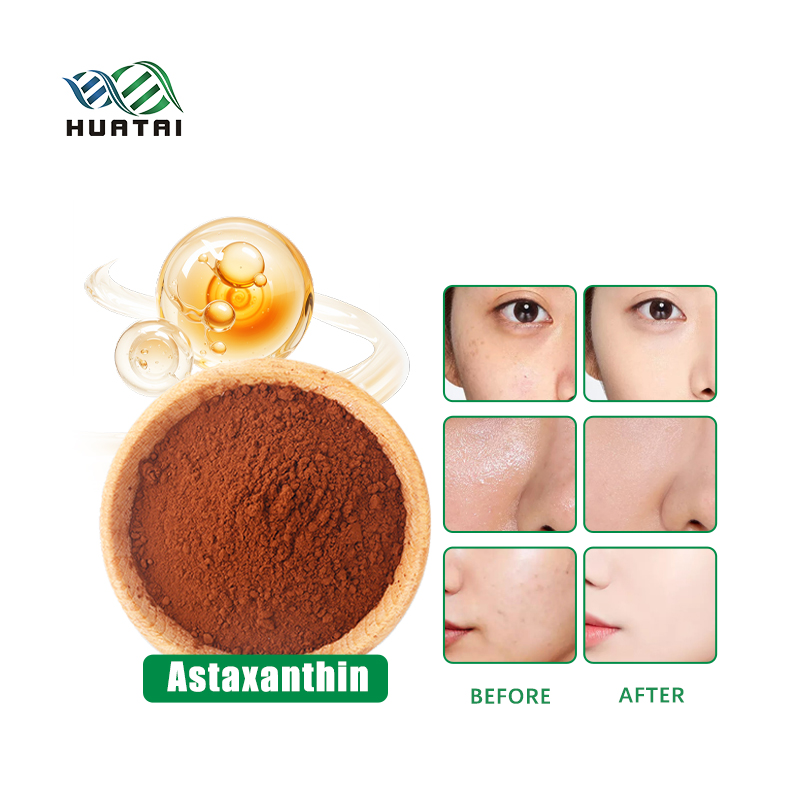
Astaxanthin is a naturally occurring carotenoid found in microalgae (Haematococcus Pluvialis), frequently hailed as the most powerful antioxidant in nature. Its unique molecular structure allows it to quench free radicals in both the lipid and aqueous layers of the cell membrane, providing unprecedented protection against photoaging, UV damage, and oxidative stress. It visibly improves skin elasticity, moisture retention, and reduces the appearance of fine lines.

| INCI Name | Astaxanthin |
|---|---|
| Source | Haematococcus Pluvialis Microalgae |
| Appearance | Deep red/dark crimson powder or oil solution |
| Core Function | Extreme Antioxidant, Anti-photoaging, Anti-inflammatory, Moisture Retention, Elasticity Booster. |
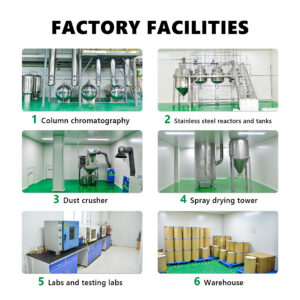
Direct Factory Supply
Factory-direct supply ensures high-purity active ingredients with full batch-to-batch consistency.
Formulation Support
Custom concentrations, solvent options, and professional technical guidance for your formulas.
Efficacy & Testing
Complete COA, HPLC testing charts, INCI documentation, and Safety Data Sheets (MSDS).
Global Compliance
ISO22000 & COSMOS certified manufacturing, fully compliant with EU and US FDA regulations.
Stop Letting Oxidative Stress Age Your Consumers Before Their Time—Master the “Super-Antioxidant” Revolution with Ultra-Pure Astaxanthin
In the elite tiers of the skincare market, generic antioxidants are failing the test of environmental reality. While Vitamin C and CoQ10 are industry staples, they often lack the structural integrity required to defend the cell membrane fully. High-end brands and contract manufacturers are frequently plagued by unstable raw materials that lose potency or degrade upon integration. As your premier high-purity natural cosmetic active ingredients wholesaler, we provide the ultimate defensive breakthrough: Astaxanthin sourced from Haematococcus pluvialis. With antioxidant power that dwarfs conventional vitamins, our Astaxanthin offers a comprehensive, membrane-spanning shield that is essential for the next generation of high-performance anti-photoaging formulations.
🚀 Core Clinical & Laboratory Proof: Superior Radical Quenching
Empower your brand’s performance claims with ingredient data that validates clinical-grade defense:
Membrane-Spanning Protection: Unlike water-soluble antioxidants that are limited in their reach, Astaxanthin molecules span the entire lipid bilayer, providing simultaneous internal and external protection for cell membranes against oxidative degradation.
Unrivaled Quenching Power: Scientifically proven to possess a significantly higher radical scavenging capacity than Vitamin E (Alpha-Tocopherol) and Beta-Carotene, making it the most formidable weapon against UV-induced singlet oxygen.
Collagen & DNA Preservation: Clinical trials confirm that topical application significantly reduces oxidative DNA damage and protects the integrity of the dermal collagen matrix against environmental stressors.
🔬 Core Specifications & Technical Parameters
To ensure seamless integration for your formulation engineers and absolute ease of copy-pasting into your internal specification sheets, our critical product data is standardized below:
Product Parameter Specification Limit / Guideline
INCI Name Astaxanthin Available Concentrations 5%, 10%, or 20% Active Solution Molecular Weight 596.84 g/mol Recommended Dosage 0.05% – 0.5% (as active solution) Mechanism of Action Membrane-Spanning Antioxidant & Cytokine Modulation Solubility Oil-soluble; use inert carrier Optimal Formulation pH Stable
💡 Golden Formula Inspirations: The Formulator’s Blueprint
Bridge the gap between lab-grade science and high-end retail performance with these synergy-driven development blueprints:
The “360° Photo-Defense” Serum (Astaxanthin + Vitamin C Derivatives): The ultimate daytime urban shield. Astaxanthin’s membrane-spanning protection complements Vitamin C’s surface-level brightening and radical scavenging, creating an impenetrable defensive layer.
The “Deep Night-Repair” Protocol (Astaxanthin + Retinol): Engineered for maximum cellular turnover and recovery. Astaxanthin serves as a potent inflammation modulator to mitigate Retinol-induced irritation while shielding the dermal matrix from oxidative stress.
The “Structural Elasticity” Duo (Astaxanthin + Sodium DNA): A professional-grade anti-aging masterpiece. Astaxanthin protects the dermal architecture from free radical degradation, while Sodium DNA acts as the biological foundation for structural rejuvenation and firmness.
🛡️ Unwavering Quality Assurance & Global Regulatory Confidence
Trust is the currency of high-end skincare manufacturing. Our production and quality control processes are fully compliant with the most rigorous global standards:
ISO9001
ISO22000
COSMOS
HALAL
IQNET
⚡ Take Immediate Action to Lead the Anti-Aging Market
Do not let your brand’s reputation be undermined by inferior antioxidants that fail to provide tangible, long-term environmental protection. Partner with the industry’s most reliable supplier to ensure every bottle you ship delivers the clinical-grade performance your consumers demand.
Ready to revolutionize your antioxidant formulations? Your next formulation breakthrough starts with a higher standard of purity. Visit our dedicated technical portal at natural-huatai.com to secure your comprehensive technical dossier (TDS, MSDS, COA) today. Immediately request your high-purity, stabilized free samples for in-house laboratory trials and discover the difference that clinical-grade, super-antioxidant Astaxanthin makes.
Don’t just offer antioxidant promises—deliver a scientifically validated, membrane-spanning defense system. Reach out to our expert procurement team for a customized bulk quote now!
 English
 German
 Spanish
 French
 Japanese
 Korean