



Azelaic Acid
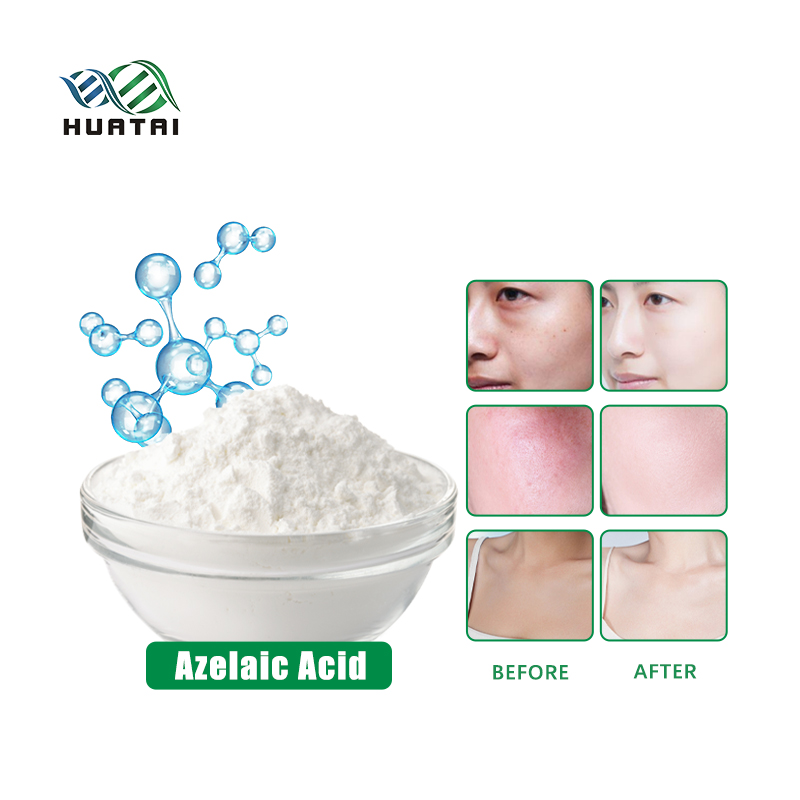
Azelaic Acid is a naturally occurring dicarboxylic acid celebrated for its potent, multi-action efficacy. It is highly valued for its ability to treat acne and rosacea due to its anti-bacterial, anti-inflammatory, and keratolytic properties. Furthermore, it delivers powerful pigmentation correction by selectively inhibiting hyperactive melanocytes, making it a comprehensive, well-tolerated active for complex skin conditions.

| INCI Name | Azelaic Acid |
|---|---|
| CAS No. | 123-99-9 |
| Source | Natural source (Grains like wheat, rye, barley) or Synthetic |
| Appearance | White crystalline powder |
| Core Function | Anti-acne, Anti-rosacea, Anti-inflammatory, Pigmentation Reduction (Melasma, PIH), Exfoliation |
Struggling to Solve Acne, Rosacea, and Hyperpigmentation Simultaneously? Master the Dermatological Gold Standard with Ultra-Pure Azelaic Acid (≥99%)
In the prestige skincare market, formulators often find themselves trapped between ineffective botanical alternatives and harsh, prescription-only pharmaceuticals. The core challenge for high-end laboratories is creating a product that effectively treats multi-dimensional skin concerns—acne, chronic redness, and melasma—without the sensitization or phototoxicity of traditional harsh acids. As your premier high-purity natural cosmetic active ingredients wholesaler, we provide the definitive clinical-grade solution: Azelaic Acid. Our ≥99% pure, crystalline active allows you to bridge the gap between cosmetic elegance and therapeutic performance, delivering a non-photosensitizing, multi-pathway treatment that dermatologists trust.
🚀 Core Clinical & Laboratory Proof: Scientific Supremacy
Empower your brand with ingredient performance data that validates a high-efficacy, professional-grade clinical strategy:
Triple-Action Clinical Efficacy: Scientifically validated to simultaneously neutralize P. acnes bacteria, modulate chronic inflammatory cytokine release, and normalize keratinization, providing an “all-in-one” solution for complex, reactive skin.
Selective Melanogenesis Inhibition: Unlike aggressive bleaching agents, our high-purity Azelaic Acid selectively targets hyperactive tyrosinase in abnormal melanocytes. This ensures effective resolution of PIH (Post-Inflammatory Hyperpigmentation) and Melasma without risking hypopigmentation of surrounding healthy tissue.
Non-Photosensitizing Defense: Unlike Retinoids or AHAs, Azelaic Acid is inherently photostable and non-photosensitizing, making it the superior daily-wear active for patients requiring intensive treatment without compromising their daytime sun protection regimen.
🔬 Core Specifications & Technical Parameters
To ensure seamless integration for your formulation engineers and absolute ease of copy-pasting into your internal specification sheets, our critical product data is standardized below:
Product Parameter Specification Limit / Guideline
INCI Name Azelaic Acid Purity ≥ 99.0% Molecular Weight 188.22 g/mol Recommended Dosage 5.0% – 20.0% (Clinical Grade) Mechanism of Action Bacteriostatic, Keratolytic & Tyrosinase Modulation Solubility Hot water/Glycol soluble Optimal Formulation pH 4.0 – 7.0
💡 Golden Formula Inspirations: The Formulator’s Blueprint
Bridge the gap between clinical-grade performance and premium retail luxury with these synergy-driven development blueprints:
The “Clarity & Calm” Protocol (Azelaic Acid + Ectoin): A masterpiece for Rosacea and reactive skin lines. Azelaic Acid modulates inflammatory mediators and bacterial growth, while Ectoin builds the resilient “hydration shell” necessary to calm the skin’s barrier and reduce chronic erythema.
The “Spot-Correcting” Serum (Azelaic Acid + Genistein): A professional-grade pigmentation treatment. Azelaic Acid provides targeted tyrosinase inhibition at the source of hyperpigmentation, while Genistein optimizes dermal structural density, ensuring a radiant, even-toned complexion.
The “Pore-Perfect” Anti-Acne Matrix (Azelaic Acid + Niacinamide): Designed for oily, congestion-prone skin. Azelaic Acid normalizes cell turnover and eliminates acne-causing bacteria, while Niacinamide intervenes to regulate excess sebum production and improve overall skin texture.
🛡️ Unwavering Quality Assurance & Global Regulatory Confidence
Trust is the currency of high-end manufacturing. Our production and quality control processes are fully compliant with the most rigorous global standards:
ISO9001
ISO22000
COSMOS
HALAL
IQNET
⚡ Take Immediate Action to Lead the Clinical-Skincare Market
Don’t let your brand’s reputation be compromised by inferior acids that cause sensitization and instability. Partner with the industry’s most reliable supplier to ensure your high-end pigmentation and acne lines deliver the consistent, clinical results your global consumers demand.
Ready to revolutionize your clinical-grade formulations? Your next breakthrough starts with a higher standard of purity. Visit our dedicated technical portal at natural-huatai.com to secure your comprehensive technical dossier (TDS, MSDS, COA) today. Immediately request your high-purity, standardized free samples for in-house laboratory trials and discover the difference that clinical-grade Azelaic Acid makes.
Don’t just offer exfoliation—deliver a scientifically validated, dermatological-grade multi-action treatment. Reach out to our expert procurement team for a customized bulk quote now!
 English
 German
 Spanish
 French
 Japanese
 Korean